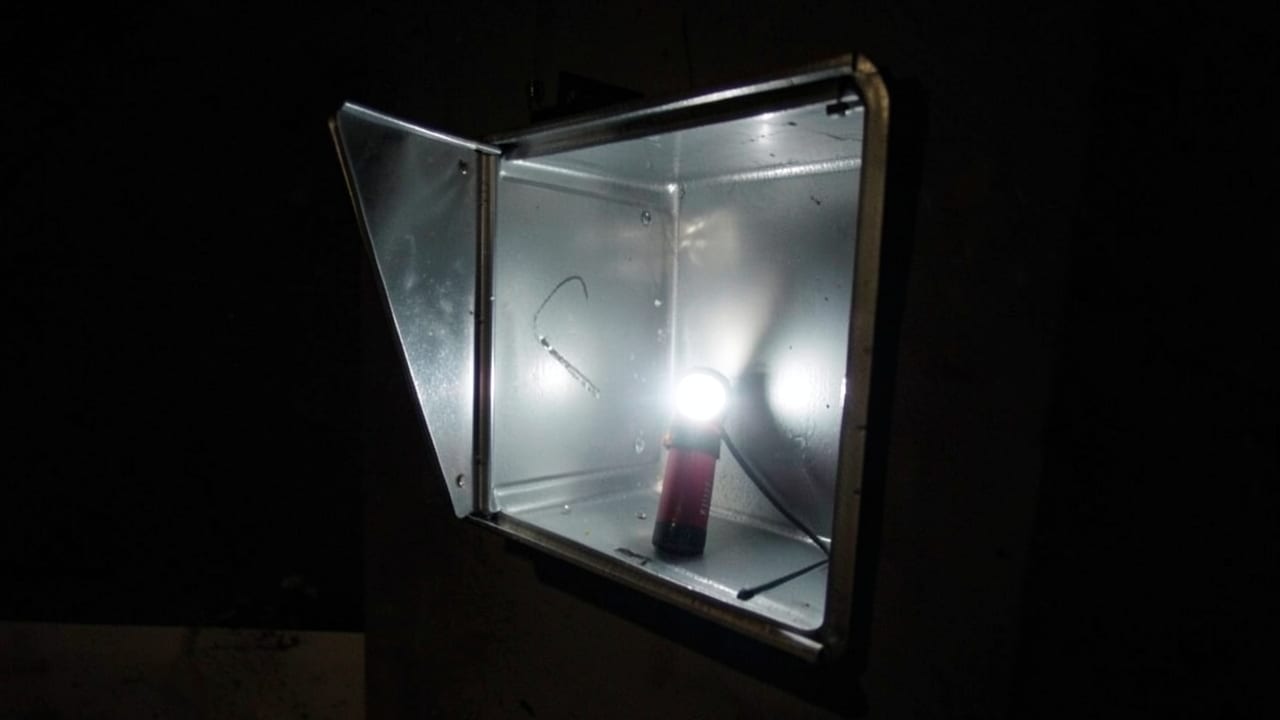
Ductwork Inspection
Professional inspection of air ducts and HVAC systems to assess cleanliness and functionality.
In Manhattan’s dense housing market, ductwork inspections help homeowners assess the condition of their HVAC system’s air ducts without committing to cleaning.
Using camera scopes and airflow tests, this service documents dust, mold, or blockages that could affect comfort or air quality, providing a clear record for decisions about maintenance or repairs.
We also handle Crawl Space Duct Cleaning and Supply Vent Cleaning for Manhattan properties.
Ideal for homes with recent renovations, pest issues, or unexplained comfort problems, inspections are tailored to Manhattan’s varied housing stock—from pre-war apartments to modern condos—across all boroughs and nearby towns.
When an inspection makes sense
Not every home needs an inspection, but certain situations make it the logical first step. If you’re unsure when the ductwork was last checked—or suspect it’s been years—an inspection clarifies whether cleaning or repairs are needed.
Recent construction dust, water leaks near ducts, or a known pest problem can leave residues that only a direct look confirms. For homeowners preparing to sell, move in, or address comfort issues like uneven heating/cooling, an inspection provides an objective record to guide next steps.
An inspection is also useful when a room stays consistently hotter or colder than the rest of the house, or if the HVAC system runs longer than expected for the same comfort level.
These signs often point to airflow restrictions or disconnected duct runs that aren’t visible from a quick glance at the vents. Without measuring airflow at each register, potential issues in harder-to-reach sections may go unnoticed, leading to misdiagnoses or unnecessary cleaning.
Signs an Inspection Is Worthwhile
- Recent home renovations or construction dust in living areas
- A known water leak near ductwork or visible mold growth in vents
- Unexplained pest activity (e.g., rodents, insects) near HVAC components
- A room that stays significantly warmer or cooler than others, despite thermostat adjustments
- The HVAC system runs longer than usual to maintain the same temperature
- Preparing to sell, buy, or move into a home—documenting duct condition for negotiations or peace of mind
- No clear memory of when (or if) the ductwork was last inspected or cleaned
What the inspection covers—and what it doesn’t
A thorough ductwork inspection includes a visual and camera-based assessment of accessible duct sections to identify dust, debris, mold, or physical damage. Airflow is measured at each supply and return register to compare against the system’s rated capacity, pinpointing blockages or disconnected runs.
If indoor air quality is a concern, air samples from supply and room air are collected and sent to an independent lab for unbiased analysis of particulates or biological growth. The results are compiled into a written report, which serves as a factual basis for decisions about cleaning or repairs.
The inspection does *not* include cleaning, agitation of debris, or any physical disruption of the ductwork. Its purpose is to document existing conditions, not alter them. It also doesn’t cover HVAC system components like coils or blower motors unless explicitly requested as part of a broader assessment.
For homes with complex duct layouts—common in older Manhattan buildings—accessibility may limit the scope, but the report will clearly note what was and wasn’t examined.
| Inspection Includes | Inspection Excludes |
|---|---|
| Camera-based visual inspection of duct interiors for dust, debris, and mold | Physical cleaning, agitation, or removal of debris |
| Airflow measurement at each supply/return register to identify blockages or disconnected runs | Repairs or replacements of damaged duct sections |
| Air sample collection (if indoor air quality is a concern) sent to an independent lab | Analysis of HVAC coils, blower motors, or furnace/AC unit components |
| Written report with findings, photos, and lab results (if applicable) | Recommendations for cleaning or repairs beyond documenting current conditions |
| Assessment of main trunk lines and branch ducts accessible during the visit | Dryer vent inspection (separate service) |
Pricing and what affects it
Pricing for ductwork inspections varies based on the home’s layout, duct accessibility, and whether air sampling is requested. In Manhattan, older buildings with limited access points or extensive duct runs may require more time, while newer constructions with straightforward layouts can be assessed more quickly.
Air sampling adds cost due to lab fees, but it provides objective data when indoor air quality is the primary concern. Unlike cleaning services, inspections are typically priced as a flat fee for the entire system, not per vent or register.
Timing also plays a role. Scheduling an inspection around a specific event—such as after a renovation, pest treatment, or HVAC system upgrade—can make the results more actionable.
Keeping records of past inspections (photos and reports) helps track changes over time, such as increased dust buildup or new airflow issues, without relying on memory. Regular maintenance like changing air filters and keeping registers clear between inspections can reduce the likelihood of finding unexpected problems during the next check.
How ductwork inspection works
The process begins with a visual walkthrough of accessible duct sections and registers.
- 1Access and Initial Assessment
The inspector examines easily reachable duct openings and registers to check for visible dust, debris, or signs of damage. This step helps identify obvious issues before moving to more detailed checks.
- 2Camera Inspection of Duct Interiors
A flexible camera scope is inserted into accessible duct sections to document conditions inside, including buildup, mold, or structural wear. Photos are taken for the report, focusing on areas with restricted airflow or unusual residue.
- 3Airflow Measurement at Registers
Using a handheld tool, airflow is measured at each supply and return register. Readings are compared to the HVAC system’s rated capacity to spot blockages, disconnected runs, or undersized ducts that may not be visible during a visual check.
- 4Air Sample Collection (If Requested)
For indoor air quality concerns, air samples are taken from supply air and room air using sterile filters. These are sent to an independent lab for analysis of particulates, mold spores, or other contaminants, with results included in the final report.
- 5Written Report and Findings Review
The inspector compiles all findings—photos, airflow data, and lab results—into a detailed report. This document outlines which duct sections need attention, airflow issues, and any air quality concerns, providing a clear basis for decisions about cleaning or repairs.
Frequently asked questions
Can an inspection tell me if my ducts need cleaning, or will I still need a separate cleaning service?
An inspection provides a detailed record of current duct conditions, including dust, debris, mold, and airflow restrictions. If the report shows significant buildup or blockages, cleaning may be recommended—but the inspection itself does not include cleaning. The decision to clean depends on the findings and your comfort or air quality goals.
Will the inspection find problems I can’t see, like hidden mold or disconnected duct runs?
Yes. The camera inspection reveals interior duct conditions, while airflow measurements at each register can identify disconnected runs or blockages that aren’t visible during a quick look. Air sampling, if included, also detects particulates or biological growth that may not be obvious.
Do I need an inspection if my home is relatively new or hasn’t had major renovations?
Even in newer homes, inspections can be useful if you’ve noticed comfort issues, unexplained dust buildup, or signs of pests near the ducts. They’re also worthwhile before selling or moving in to document the ductwork’s condition. Without an inspection, hidden problems like disconnected runs or mold growth might go unnoticed until they affect airflow or air quality.
How long does it take to get the inspection report after the visit?
The report is typically ready within 24–48 hours after the inspection, depending on whether air samples were sent to a lab. You’ll receive a digital copy with photos, airflow data, and findings to review before deciding on any follow-up steps.
See Chelsea, NY for more, or browse our complete Manhattan service list step by step for our complete lineup.
Ready to get started?
Talk to a local air duct cleaning pro in Manhattan — get a written quote.
Other Air Duct Cleaning Services in Manhattan
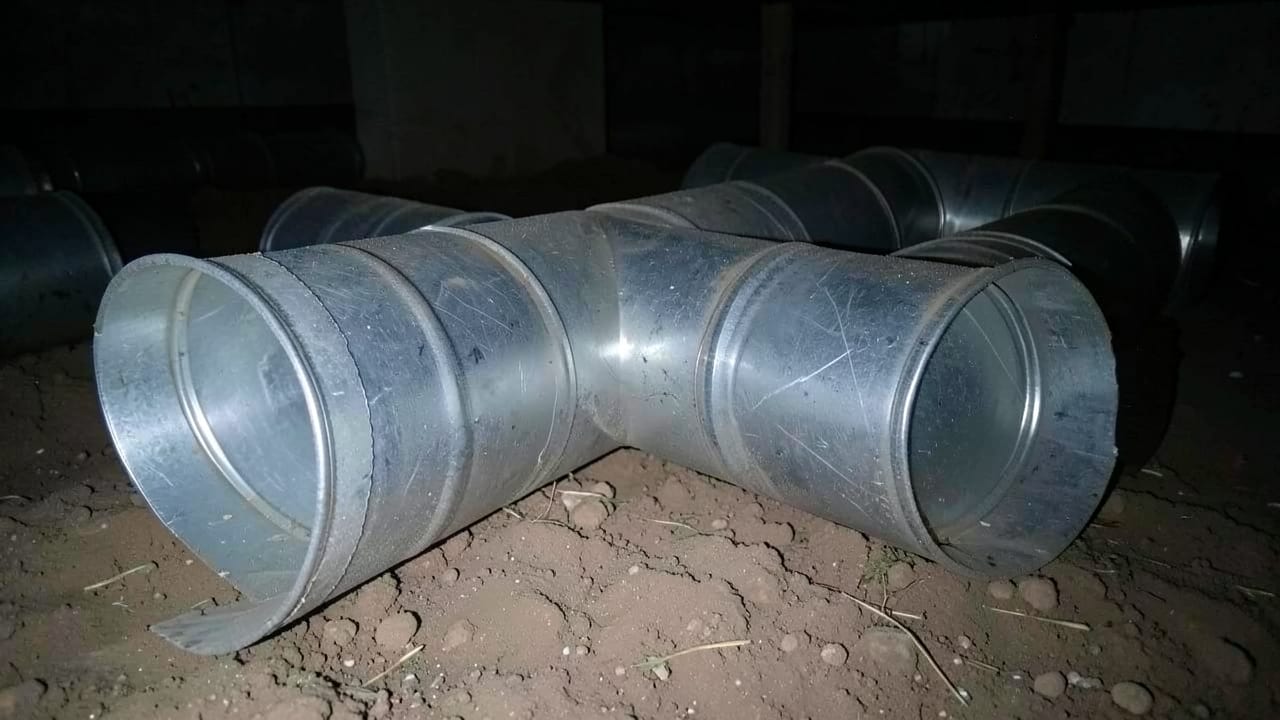
Crawl Space Duct Cleaning in Manhattan, NY
Professional cleaning of ductwork in crawl spaces to improve airflow and indoor air quality.
Learn More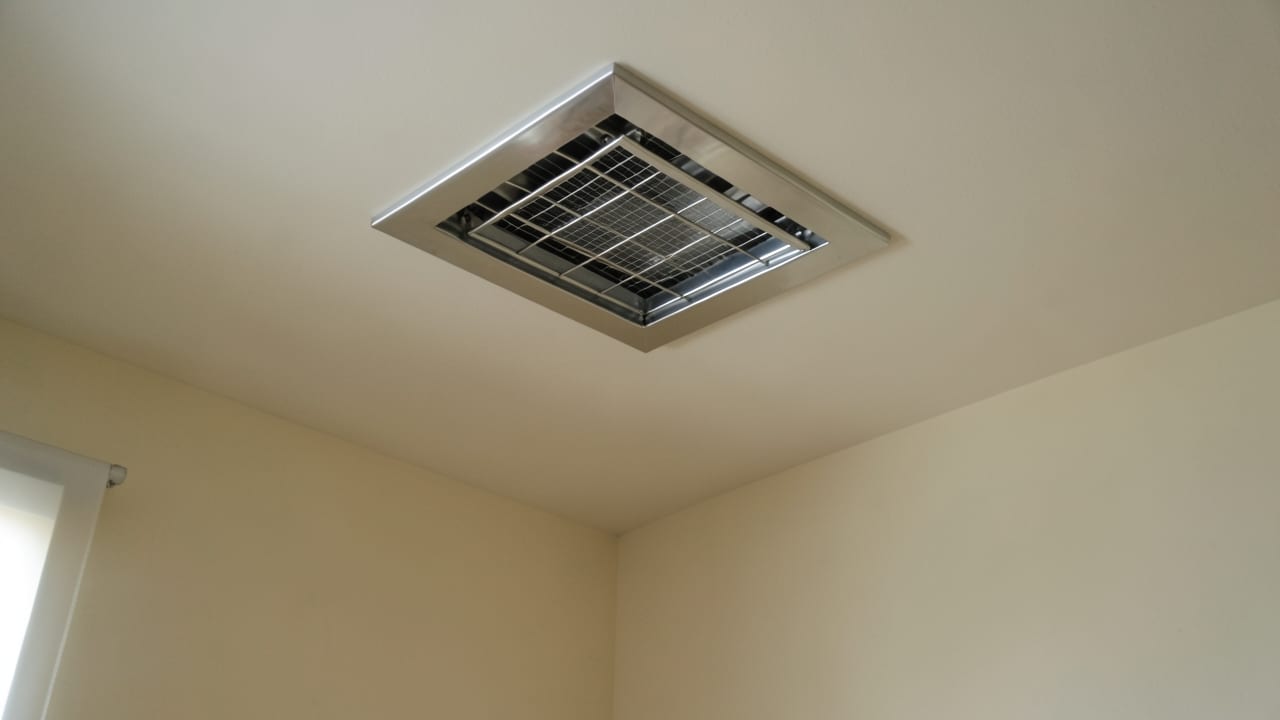
Supply Vent Cleaning in Manhattan, NY
Professional cleaning of supply vents to improve airflow and indoor air quality in HVAC systems.
Learn More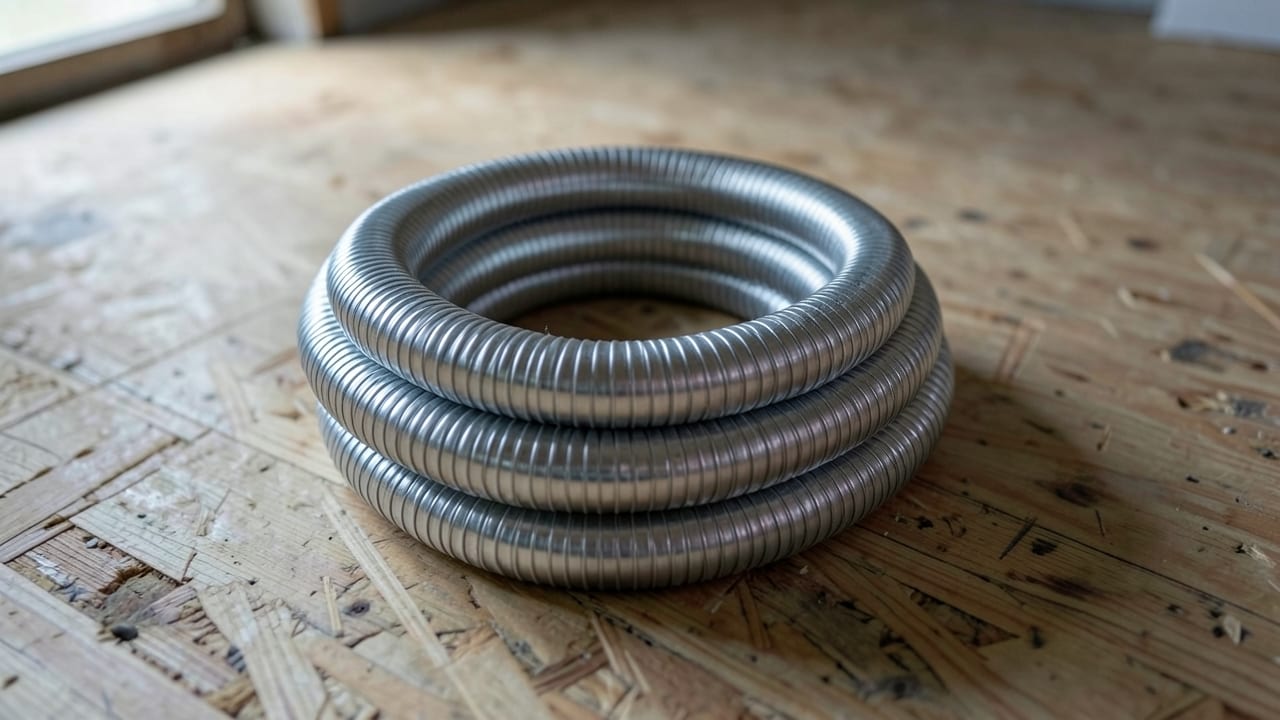
Flex Duct Cleaning in Manhattan, NY
Professional cleaning of flexible ductwork to remove dust, debris, and contaminants from HVAC systems.
Learn More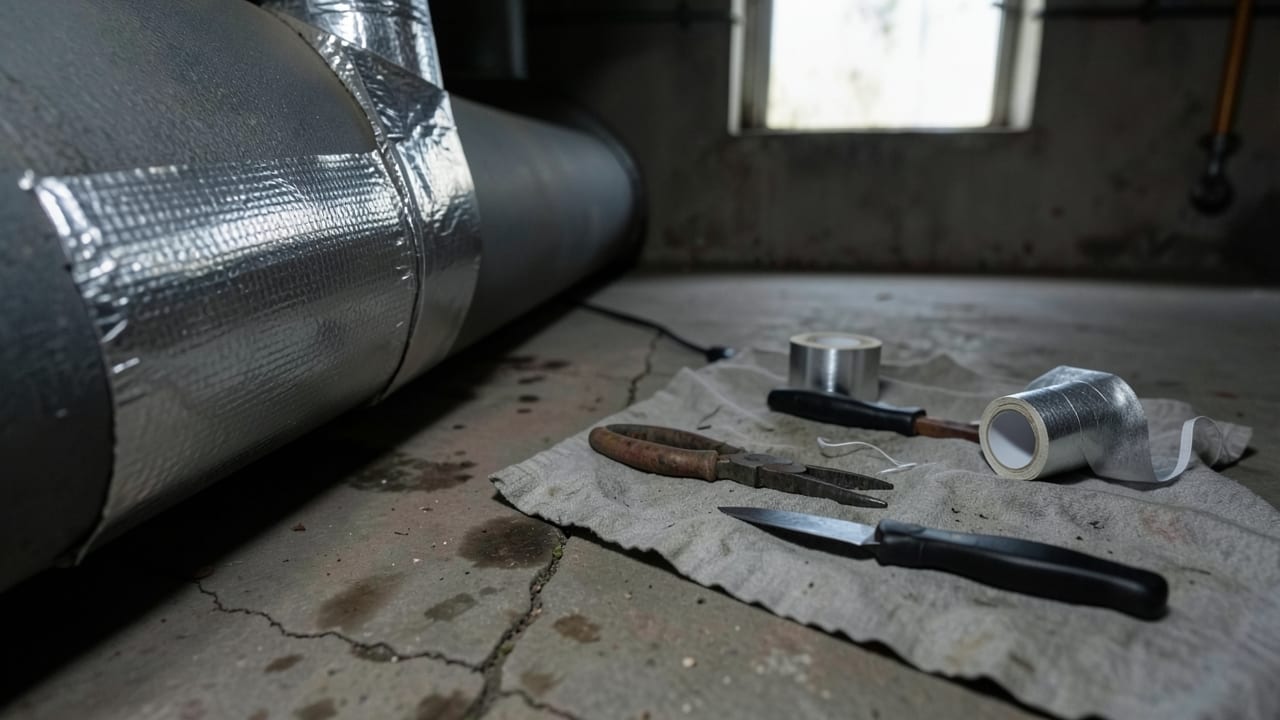
Ductwork Repair in Manhattan, NY
Repairing or sealing damaged air ducts to restore HVAC efficiency and airflow.
Learn More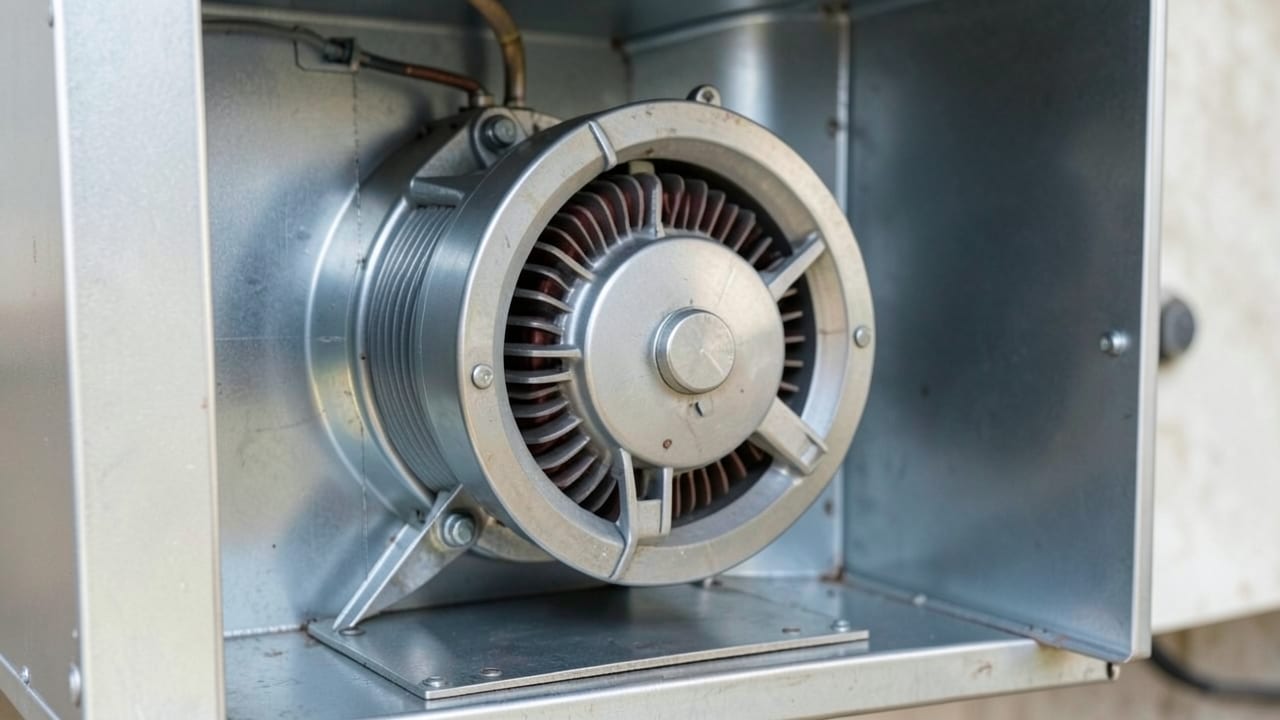
Blower Motor Cleaning in Manhattan, NY
Professional cleaning of the blower motor in HVAC systems to improve airflow and efficiency.
Learn More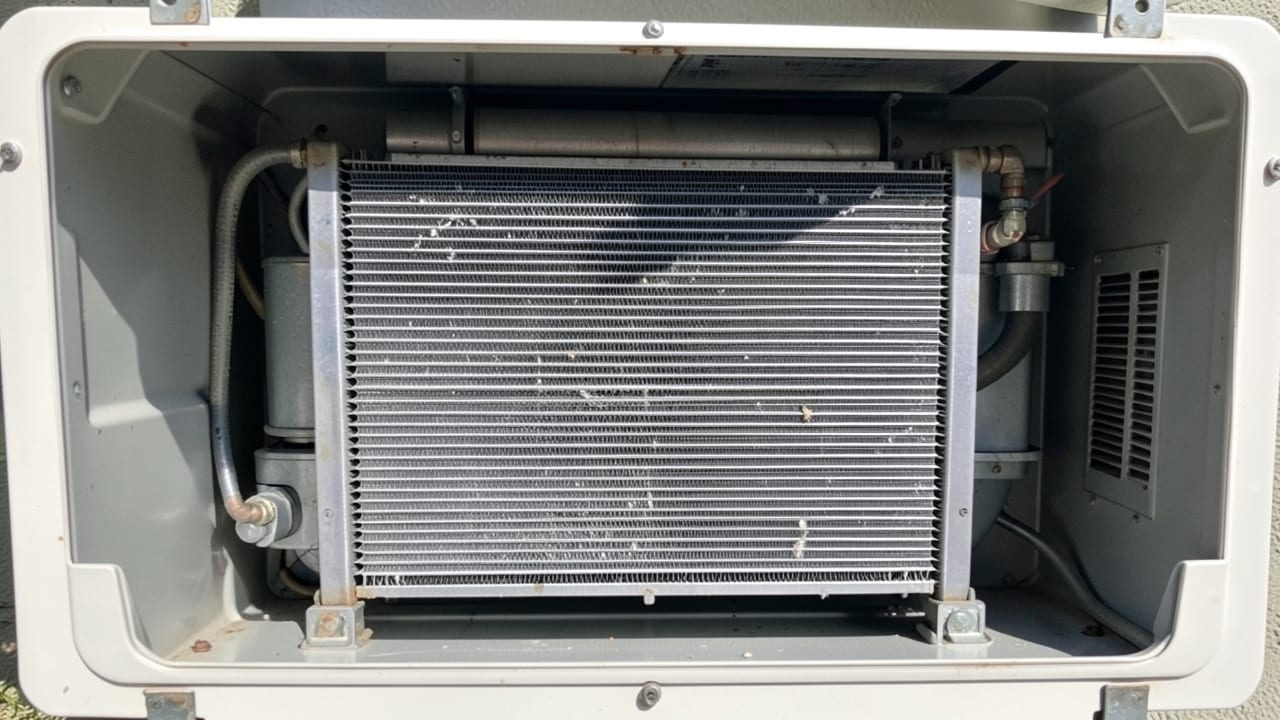
Evaporator Coil Cleaning in Manhattan, NY
Professional cleaning of HVAC evaporator coils to remove dirt, dust, and debris for improved airflow and efficiency.
Learn MoreCommon Questions About Air Duct Cleaning in Manhattan
Everything you need to know about air duct cleaning services in Manhattan
How much does Ductwork Inspection typically cost in Manhattan, NY?
What local factors get checked before recommending duct cleaning in Manhattan, NY?
Can air ducts be cleaned with a household vacuum instead of hiring it out?
Is duct cleaning ever covered by a home warranty or insurance policy?
What's the actual difference between duct cleaning and dryer vent cleaning?
Does the cleaning process release dust into the rest of the home?
Need Air Duct Cleaning in Manhattan?
Get a written quote from our Manhattan crew.
⏰ We answer your call • Serving all of Manhattan and surrounding areas