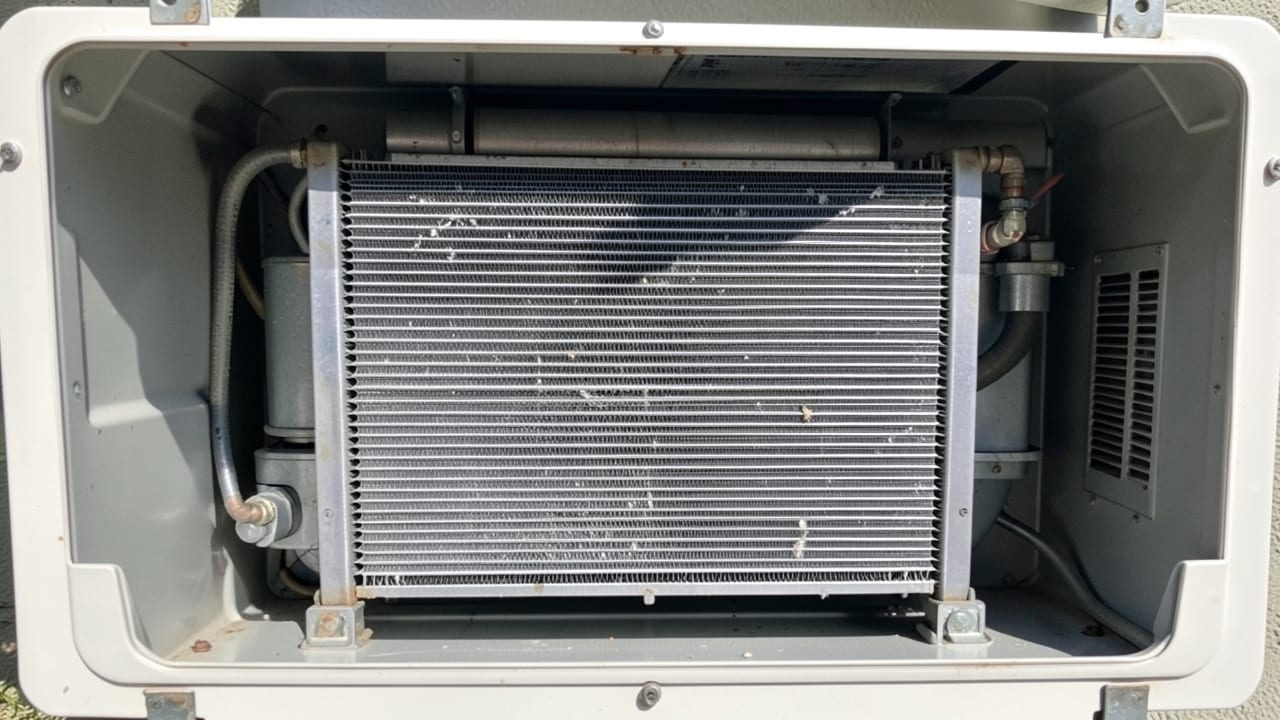
Evaporator Coil Cleaning
Professional cleaning of HVAC evaporator coils to remove dirt, dust, and debris for improved airflow and efficiency.
Evaporator coil cleaning in Manhattan restores your HVAC system’s efficiency by removing dust, debris, and microbial buildup from the indoor coils. This targeted service improves cooling performance, reduces energy waste, and helps prevent long-term system strain—critical for older homes or those with heavy air pollution exposure.
A thorough inspection and multi-step process ensures coils and ductwork are cleaned safely without redistributing contaminants into your living space.
We also handle Medical Clinic Duct Cleaning and Pet Dander Duct Removal for Manhattan properties.
When to consider evaporator coil cleaning
Coil cleaning is often needed when your AC struggles to maintain temperature despite running longer, or when airflow feels weaker than usual. Dust buildup on coils reduces heat exchange efficiency, forcing the system to work harder and consume more energy.
In Manhattan’s dense urban environment, where air quality can introduce additional particulates, coils may accumulate grime faster than in less polluted areas.
Visible signs like a layer of dust settling near supply vents shortly after cleaning, or a musty odor that fades once the system turns off, often indicate coil or ductwork issues.
These symptoms suggest debris or microbial growth is being recirculated rather than properly filtered out. Addressing these problems early can prevent more costly HVAC repairs down the line.
Signs Your Coils May Need Cleaning
- A thin gray film or dust buildup reappears on register grilles within days of wiping them clean.
- Your AC runs longer than usual to cool the same space, or struggles to reach the set temperature.
- A noticeable musty or stale smell occurs only when the HVAC system is running, then fades afterward.
- Dust puffs visibly from vents when the system first turns on, or resettles on surfaces within 24–48 hours.
- Airflow from vents feels weaker than before, even though the system appears to be running normally.
How often should you clean your coils?
There’s no one-size-fits-all answer for coil cleaning frequency, as it depends on factors like air quality, household activity, and filter maintenance. In Manhattan, where outdoor air pollution and indoor allergens (like pet dander) are common, coils may require more frequent attention than in less polluted areas.
The biggest factor is how well you’re preventing new dust from entering the system between cleanings.
Changing your air filter every 1–3 months—depending on the type and your household—reduces the volume of dust bypassing the filter and entering the ducts. Sealing gaps where ductwork connects to registers or joins in unfinished spaces (like basements or attics) also slows buildup.
Without these steps, even a thorough coil cleaning may not last as long before dust and debris accumulate again.
What affects the cost of coil cleaning?
Pricing for evaporator coil cleaning in Manhattan varies based on the scope of work, the condition of your system, and whether additional steps—like removing the coil for a deeper clean—are required.
A standard in-place cleaning typically covers the coils and blower but may not include trunk lines or hidden ductwork. Understanding how quotes are structured helps you compare options accurately.
Some providers charge a flat rate for the entire system, while others bill per vent or register. A quote that sounds unusually low may reflect a less thorough method, such as vacuuming only at the vent openings rather than using a whole-system negative-pressure approach.
Always confirm whether the estimate includes inspection, coil removal (if needed), and whether mold or pest contamination would incur extra costs.
| Scope Included | Typical Cost Range in Manhattan | What’s Typically Excluded |
|---|---|---|
| In-place evaporator coil cleaning (no removal) | $115–$450 | Dryer vent cleaning, deep ductwork agitation beyond coils/blower |
| Coil removal and deep cleaning | $400–$700 | Main trunk lines, hidden duct sections, or additional treatments |
| Whole-system duct cleaning (coils + ducts) | $1,200–$3,000+ | Mold remediation, biocide treatments, or pest control |
How evaporator coil cleaning works
- 1System Inspection
A camera or mirror inspection checks the supply and return ducts for concentrated dust, debris, or microbial growth. This step identifies which sections need agitation and helps the crew target cleaning efforts efficiently.
- 2Register Sealing and Negative-Pressure Setup
Non-working registers are sealed, and a HEPA-filtered vacuum is connected to the system. This ensures dislodged dust is captured on-site rather than blowing back into your home through open vents.
- 3Mechanical Agitation
Rotary brushes or compressed-air whips are used to loosen compacted dust and debris from the duct walls. This step is critical for removing buildup that suction alone can’t dislodge.
- 4HEPA Vacuum Extraction
The dislodged material is pulled into the HEPA-filtered collection system, preventing fine particulates from re-entering your living space during the process.
- 5Register and Diffuser Cleaning
Each supply and return register, grille, and diffuser is removed and cleaned separately, as these surfaces accumulate different types of buildup—like pet hair or surface dust—than deeper ductwork.
Frequently asked questions
How will I know if the coil cleaning actually worked?
A before-and-after camera inspection can show the reduction in dust and debris inside the ducts. Improved airflow at multiple registers—measured against pre-cleaning levels—and a noticeable decrease in dust puffing or musty odors when the system runs are also good indicators. However, results depend on how well new dust is prevented from re-entering the system.
Can coil cleaning help with allergies or respiratory issues?
Cleaning the evaporator coil reduces the volume of dust, pollen, and microbial particles circulating through your home, which may help alleviate allergy or asthma symptoms for some individuals. However, this service alone doesn’t eliminate all indoor allergens—regular filter changes and source control (like vacuuming pet areas) are also important.
Will the cleaning process make my home messier?
With proper sealing of registers and a whole-system negative-pressure setup, dislodged dust is contained and captured during the process. You may notice minimal dust in the air briefly afterward, but the goal is to minimize redistribution into your living space. Open vents or poor sealing can increase mess, so confirm these steps are part of the service.
How long does it take to clean the evaporator coil?
A standard in-place coil cleaning typically takes 2–4 hours, depending on system size and access. If the coil needs removal for a deeper clean, the process may extend to 4–6 hours. The crew will provide a timeline during the initial inspection based on your specific system.
See Midtown East, NY for more, or browse what's included in our Manhattan service in one place for our complete lineup.
Ready to get started?
Talk to a local air duct cleaning pro in Manhattan — get a written quote.
Other Air Duct Cleaning Services in Manhattan
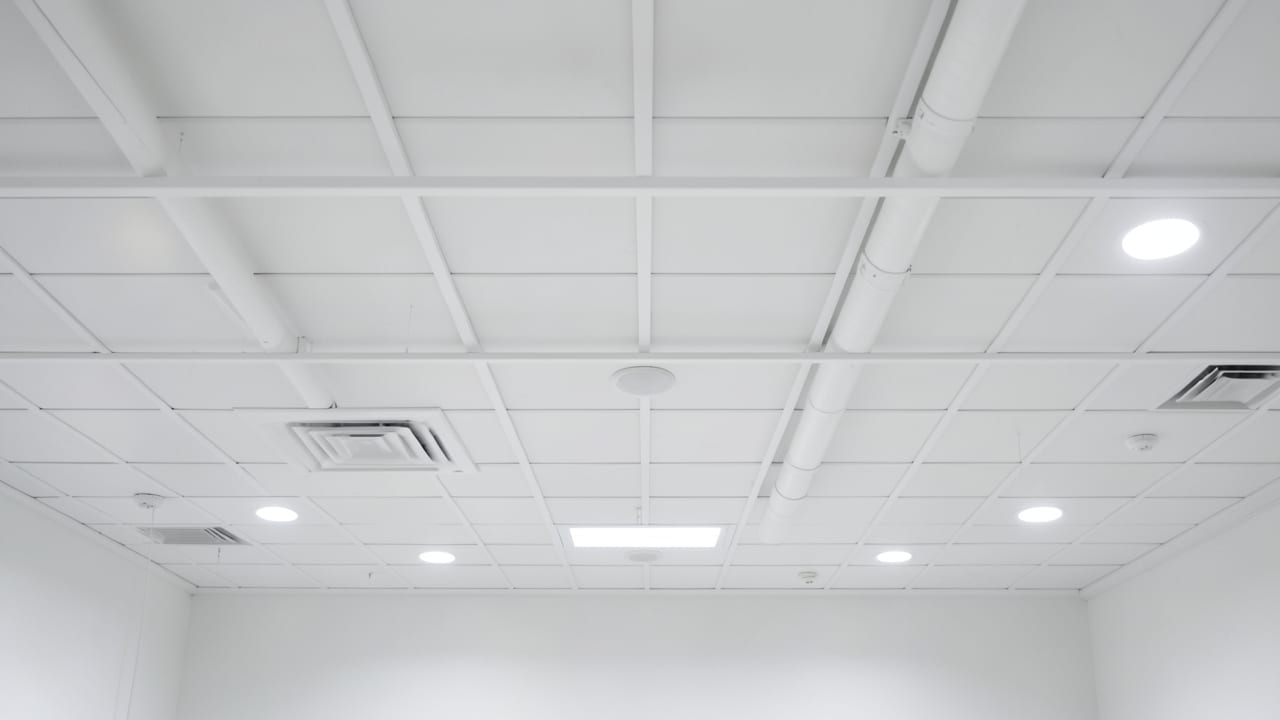
Medical Clinic Duct Cleaning in Manhattan, NY
Professional cleaning of HVAC ducts in medical clinics to improve air quality and system efficiency.
Learn More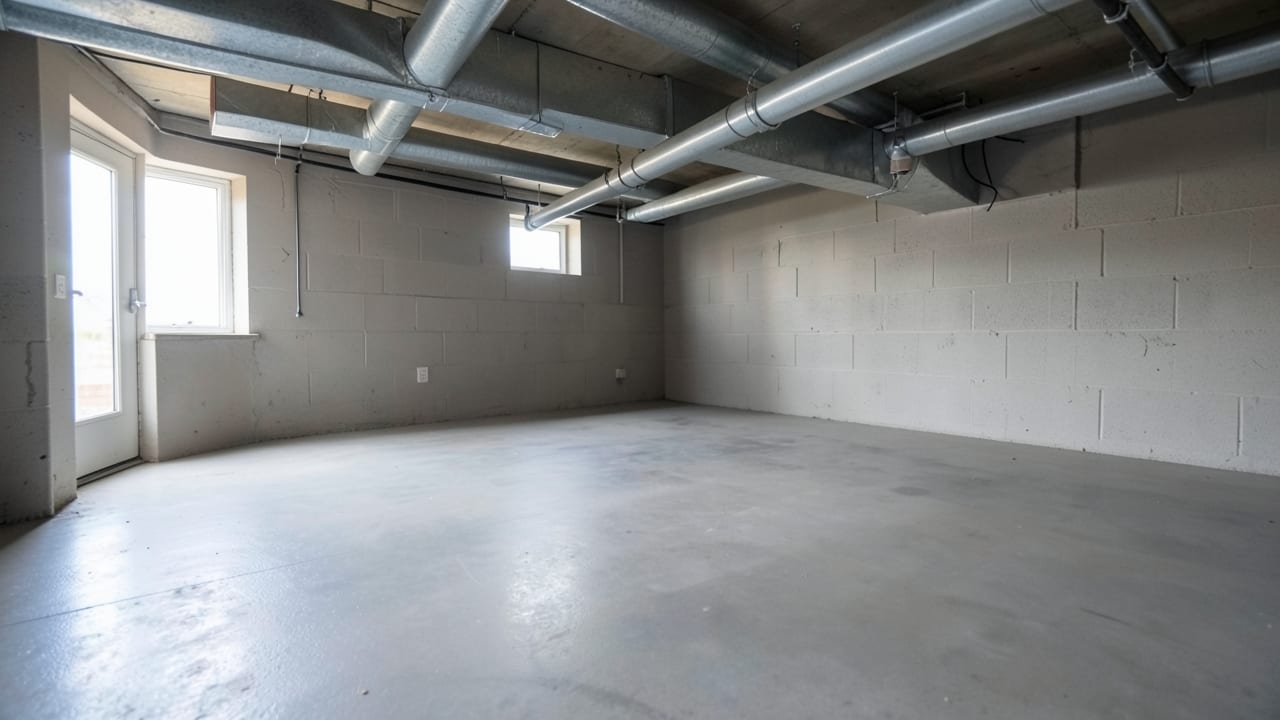
Pet Dander Duct Removal in Manhattan, NY
Professional removal of pet dander and allergens from HVAC ductwork to improve indoor air quality.
Learn More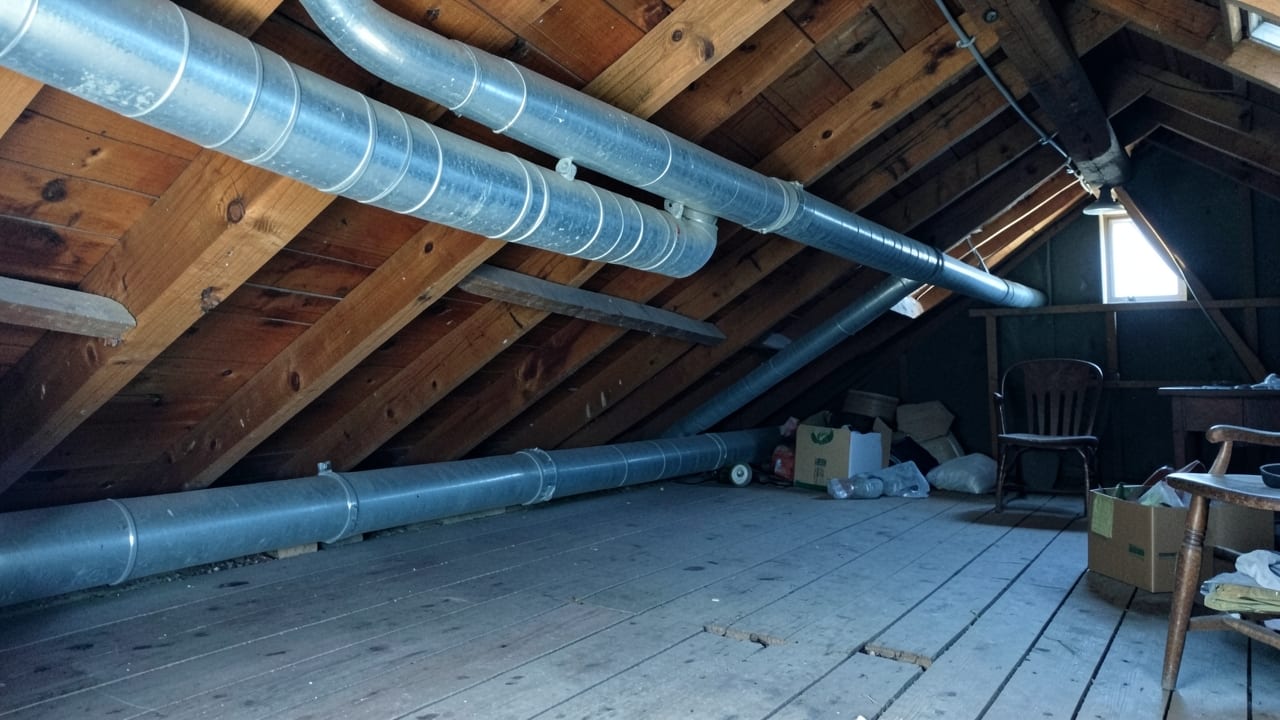
Salt Air Corrosion Duct Treatment in Manhattan, NY
Application of protective treatment to air ducts to prevent salt air corrosion in coastal areas.
Learn More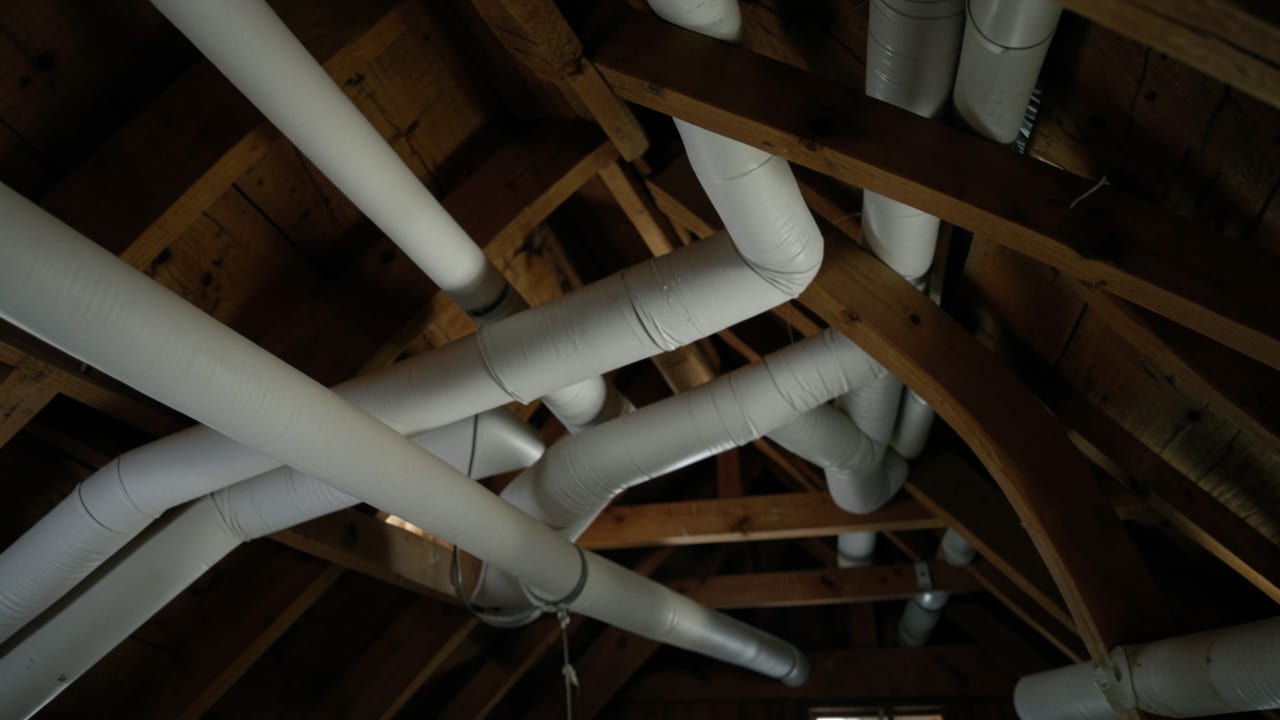
Pest Infestation Duct Sanitization in Manhattan, NY
Professional cleaning and sanitization of air ducts to remove pest infestations and contaminants.
Learn More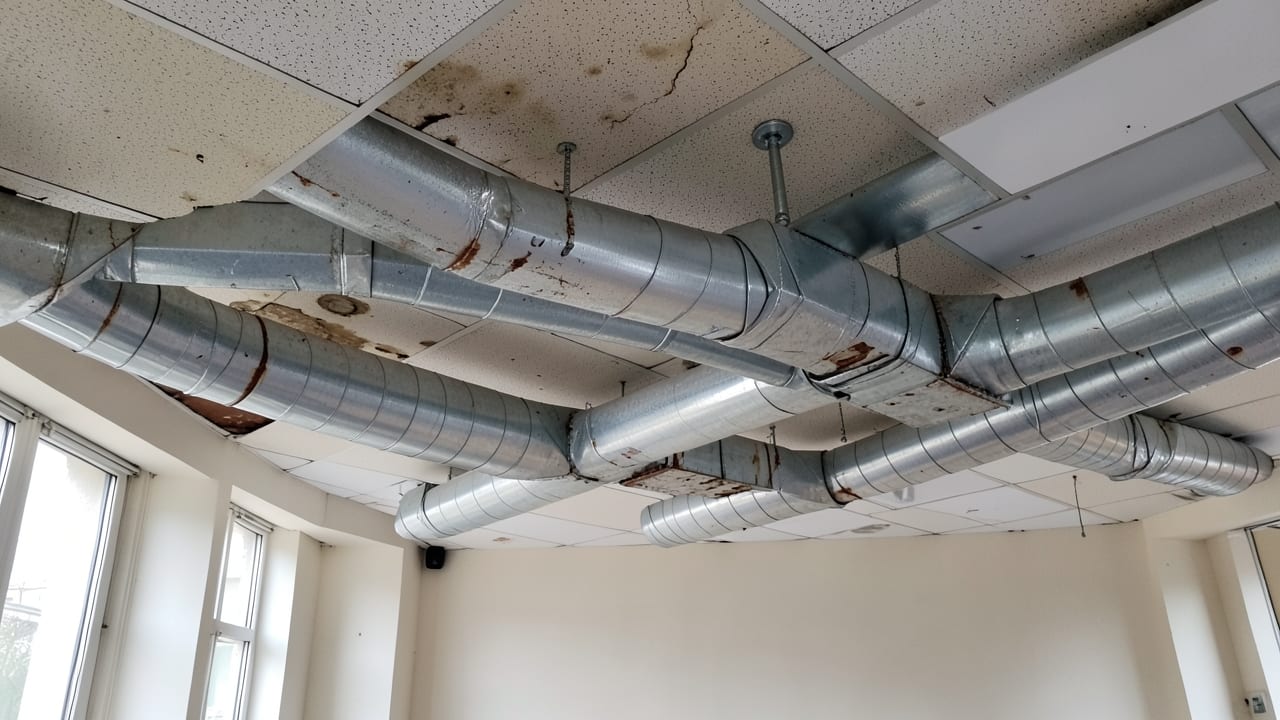
Wear and Tear Duct Refresh in Manhattan, NY
Professional cleaning of air ducts and HVAC components to remove dust, debris, and contaminants.
Learn More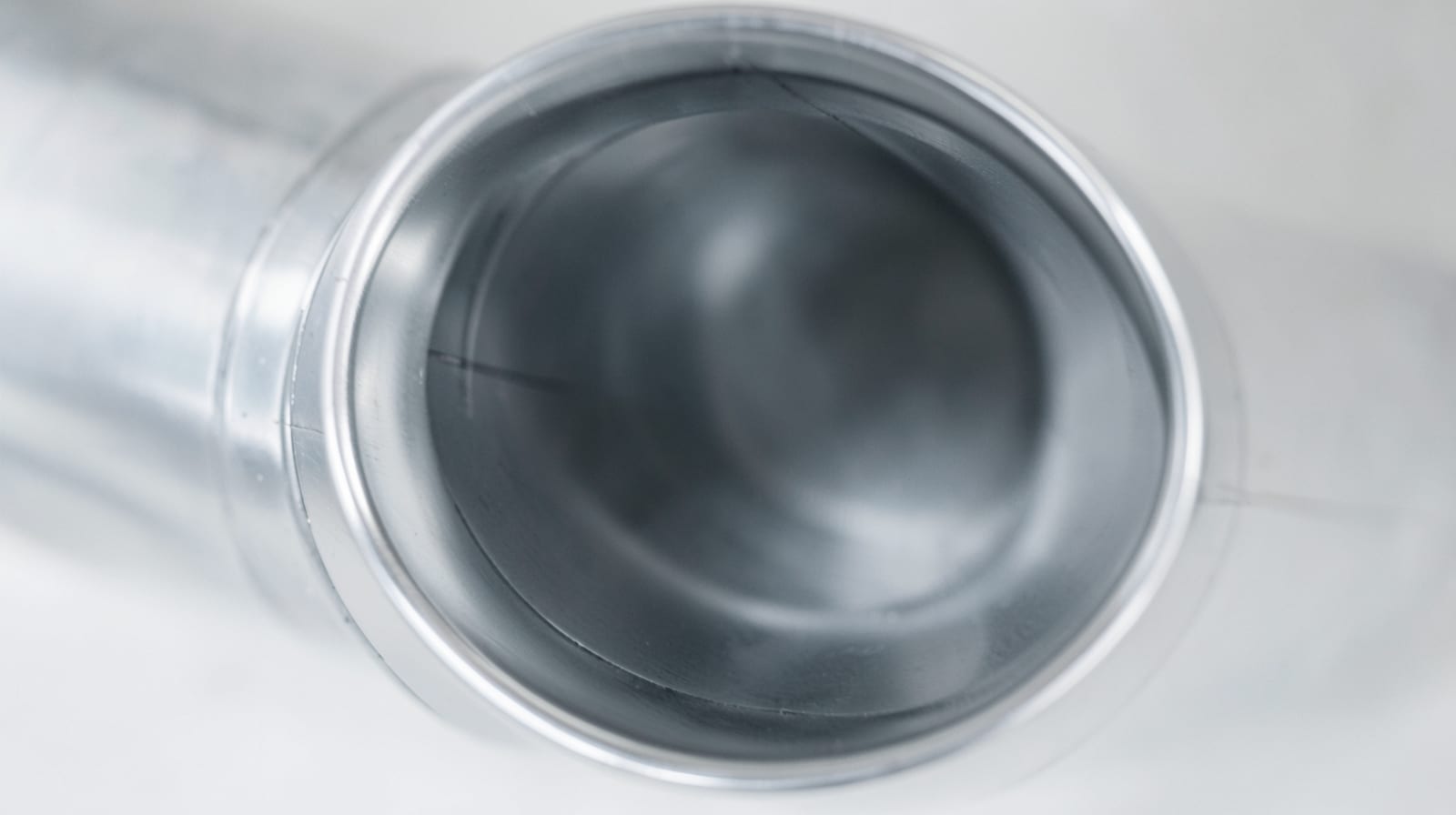
Air Duct Cleaning in Manhattan, NY
Whole-system air duct cleaning in Manhattan, NY — removes furnace debris and condensation from supply and return ductwork using NADCA-standard negative-air-pressure equipment.
Learn MoreCommon Questions About Air Duct Cleaning in Manhattan
Everything you need to know about air duct cleaning services in Manhattan
How much does Evaporator Coil Cleaning typically cost in Manhattan, NY?
What local factors get checked before recommending duct cleaning in Manhattan, NY?
What's the actual difference between duct cleaning and dryer vent cleaning?
Does the cleaning process release dust into the rest of the home?
How long does a typical air duct cleaning appointment take?
Can duct cleaning damage older or fragile ductwork?
Need Air Duct Cleaning in Manhattan?
Get a written quote from our Manhattan crew.
⏰ We answer your call • Serving all of Manhattan and surrounding areas