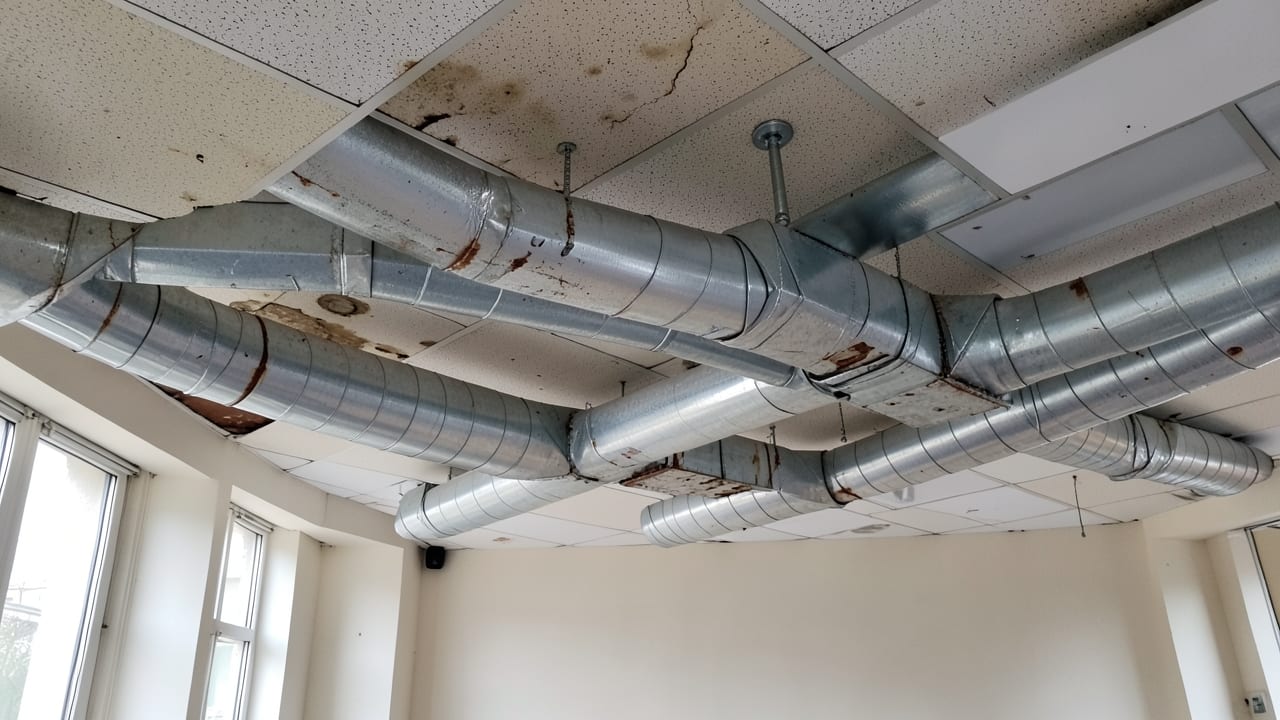
Wear and Tear Duct Refresh
Professional cleaning of air ducts and HVAC components to remove dust, debris, and contaminants.
In Manhattan’s dense urban environment, air ducts accumulate dust, pet dander, and allergens over time, reducing airflow and indoor air quality. A Wear and Tear Duct Refresh targets these buildups through thorough inspection, mechanical agitation, and HEPA filtration to restore system efficiency and create a healthier living space.
When to consider a duct refresh
Ducts often show problems indirectly—dust puffs when the HVAC first turns on, visible buildup near vents, or a musty smell that fades once the system shuts off. These signs suggest accumulated debris inside the ducts rather than general household dirt.
We also handle Basement Duct Cleaning and Crawl Space Duct Cleaning for Manhattan properties.
Rooms with faster-than-usual dust resettling or gray film at registers may have active dust delivery from the ductwork.
Surface dust from registers and grilles can also indicate deeper issues. Regular vacuuming of these areas helps, but if dust reappears quickly, it’s likely being pulled from inside the ducts. A professional inspection with a camera confirms where buildup is concentrated before cleaning begins.
Signs Your Ducts May Need Refreshing
- A visible puff of dust when the HVAC first kicks on, especially near supply vents
- Gray film or buildup forming quickly on register grilles after cleaning
- Musty or stale smells that appear only when the system is running
- Dust resettling faster in one room than in others, suggesting targeted airflow issues
- Increased allergy symptoms or pet dander buildup despite regular cleaning
What affects pricing and timing?
Pricing for a whole-home duct refresh in Manhattan typically ranges from $340 to $620, depending on the HVAC system’s size, duct layout, and accessibility. Factors like disconnected flex ducts, excessive moisture, or biological growth may require additional steps beyond standard cleaning, which can adjust the total cost.
How often ducts need refreshing varies by household—some sources suggest yearly to every five years, but the real interval depends on factors like pet shedding, air filter changes, and duct sealing.
A clogged filter forces more dust into the system, accelerating buildup. Sealing gaps at registers or duct joints also extends the time between cleanings.
What to watch for during service
A thorough duct refresh includes sealing off unused registers to prevent dust from blowing into living spaces during cleaning. Mechanical agitation with rotary brushes or air whips dislodges compacted debris, which is then captured by a HEPA-filtered vacuum.
Skipping this step or using low-efficiency tools may leave dust scattered throughout the home.
After cleaning, airflow is checked at multiple registers to confirm improved circulation. If mold or pest contamination is found, additional remediation may be needed, which could alter the original scope. Always clarify whether the quote includes HVAC coils, blower components, or dryer vents—these are often excluded from basic duct cleaning.
Unusually low quotes may indicate a shop-vac method at vents rather than a full-system negative-pressure clean. Without a before-and-after camera inspection, there’s no way to verify how much debris was actually removed. Always confirm whether the price covers main trunk lines, coils, and blower components—or only visible vents.
How Wear and tear duct refresh works
- 1System Inspection
A camera or mirror inspection identifies concentrated dust, debris, or biological growth in supply and return ducts before cleaning begins. This step ensures targeted agitation where buildup is worst.
- 2Register Sealing and Negative Pressure Setup
Unused registers are sealed, and a HEPA-filtered vacuum is connected to the system. This pulls dislodged dust into the collection unit instead of spreading it through the home.
- 3Mechanical Agitation
Rotary brushes or compressed-air whips agitate duct walls to loosen compacted dust. This step is critical for removing debris that suction alone cannot dislodge.
- 4HEPA Vacuum Extraction
Dislodged material is captured by the negative-pressure system, which filters out fine particulates on-site rather than recirculating them into the living space.
- 5Register and Diffuser Cleaning
Each register, grille, and diffuser is removed and cleaned separately, as these surfaces accumulate different types of buildup than deeper duct sections.
Frequently asked questions
How do I know if my ducts need refreshing sooner than the typical recommendation?
Look for signs like dust puffs when the HVAC turns on, gray film on registers, or musty smells that appear only while the system runs. These indicate active debris inside the ducts, which may require refreshing more often than standard intervals.
Will sealing gaps in my ducts help reduce how often I need a refresh?
Yes. Sealing obvious gaps where ducts connect to registers or join in unfinished spaces prevents dust from those areas from being pulled directly into the airstream between cleanings.
Does a duct refresh include cleaning the HVAC coils and blower?
Not always. Always confirm whether the quote covers main trunk lines, coils, and blower components—or only the visible vent openings. These areas often require separate cleaning if included.
What should I do if mold or pests are found during the inspection?
If contamination is discovered, additional remediation steps may be needed beyond standard cleaning. Clarify upfront whether the initial quote accounts for these findings or if extra costs will apply.
See Washington Heights, NY for more, or find out about our full crew's Manhattan services side by side for our complete lineup.
Ready to get started?
Talk to a local air duct cleaning pro in Manhattan — get a written quote.
Other Air Duct Cleaning Services in Manhattan
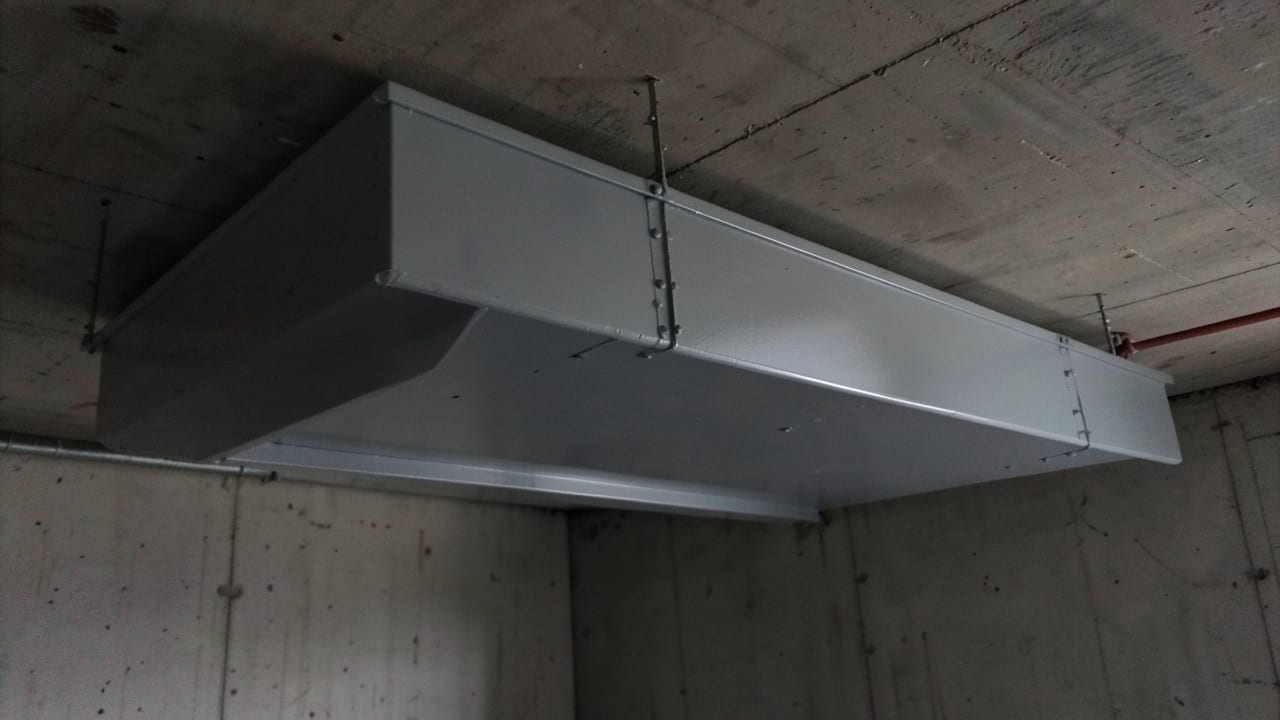
Basement Duct Cleaning in Manhattan, NY
Professional cleaning of basement air ducts to remove dust, debris, and contaminants from HVAC systems.
Learn More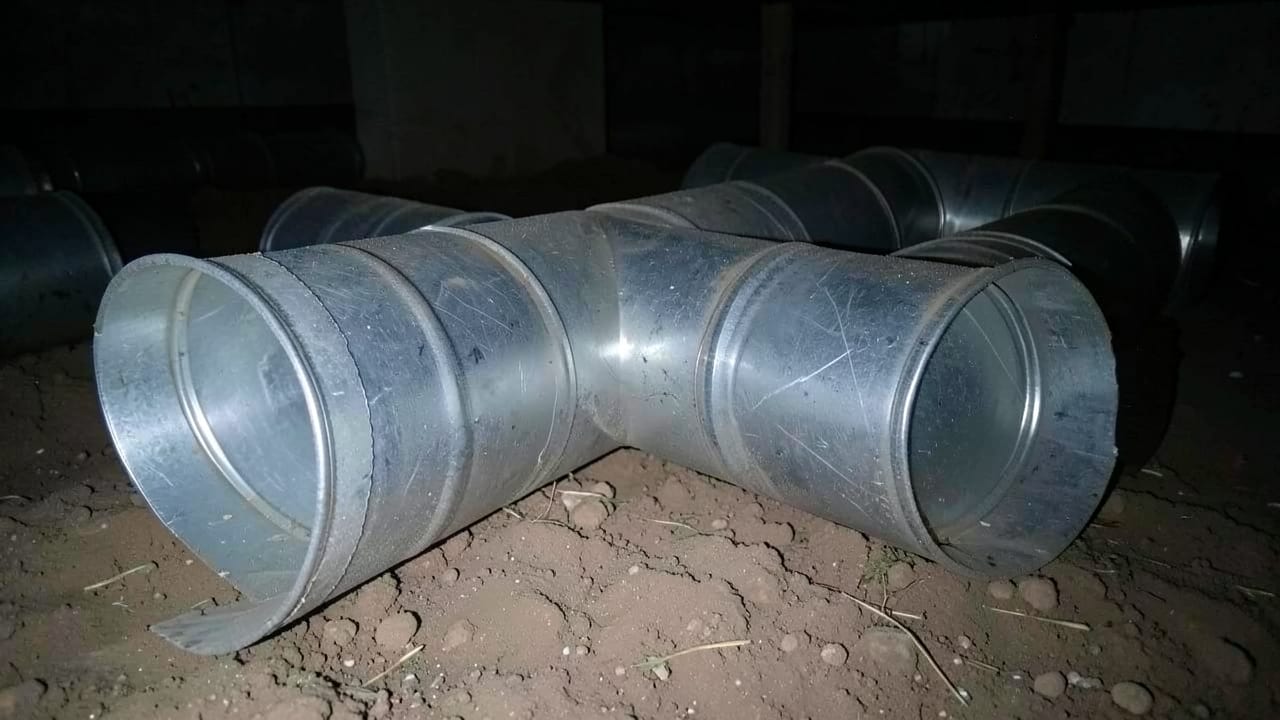
Crawl Space Duct Cleaning in Manhattan, NY
Professional cleaning of ductwork in crawl spaces to improve airflow and indoor air quality.
Learn More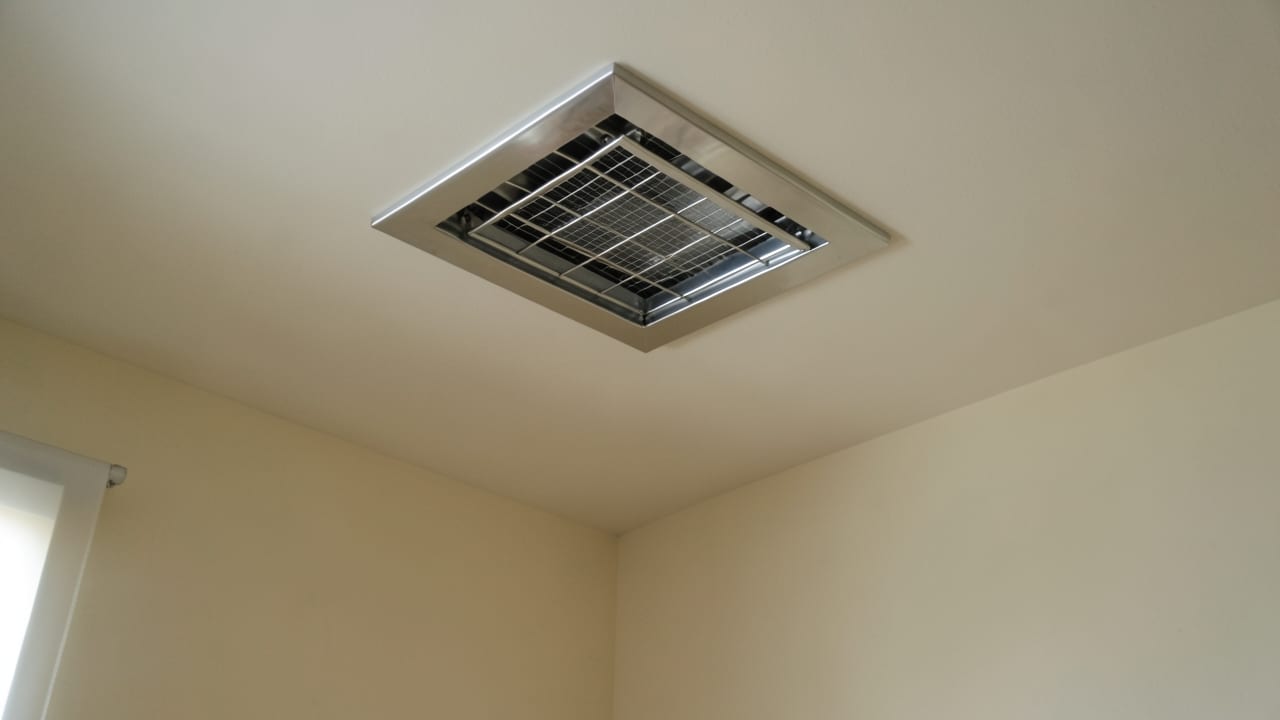
Supply Vent Cleaning in Manhattan, NY
Professional cleaning of supply vents to improve airflow and indoor air quality in HVAC systems.
Learn More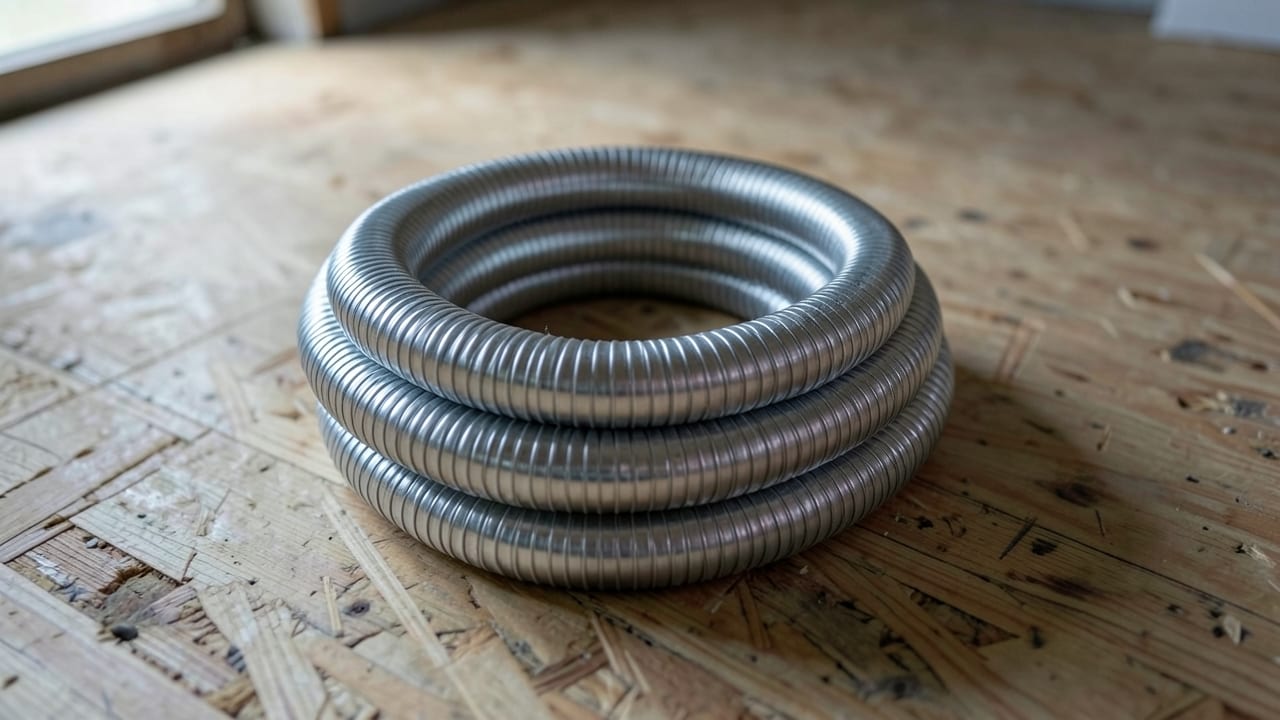
Flex Duct Cleaning in Manhattan, NY
Professional cleaning of flexible ductwork to remove dust, debris, and contaminants from HVAC systems.
Learn More
Ductwork Inspection in Manhattan, NY
Professional inspection of air ducts and HVAC systems to assess cleanliness and functionality.
Learn More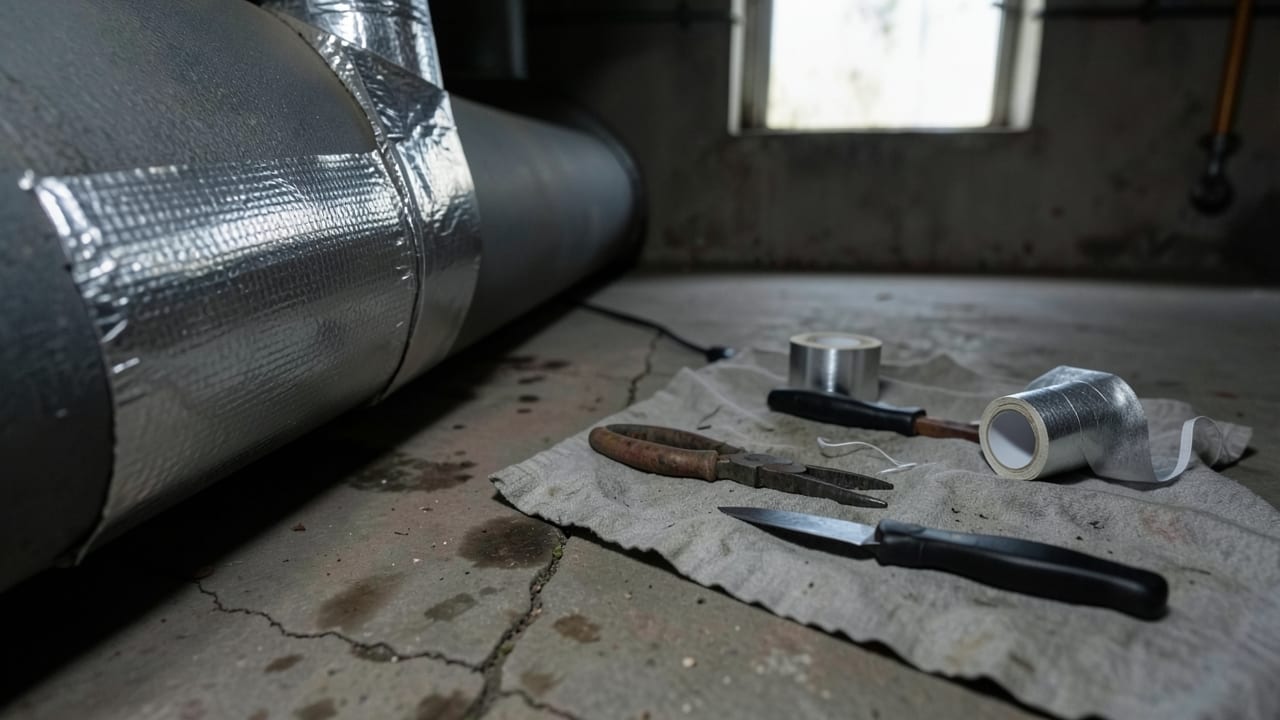
Ductwork Repair in Manhattan, NY
Repairing or sealing damaged air ducts to restore HVAC efficiency and airflow.
Learn MoreCommon Questions About Air Duct Cleaning in Manhattan
Everything you need to know about air duct cleaning services in Manhattan
How much does Wear and Tear Duct Refresh typically cost in Manhattan, NY?
What local factors get checked before recommending duct cleaning in Manhattan, NY?
What's the actual difference between duct cleaning and dryer vent cleaning?
Does the cleaning process release dust into the rest of the home?
How long does a typical air duct cleaning appointment take?
Can duct cleaning damage older or fragile ductwork?
Need Air Duct Cleaning in Manhattan?
Get a written quote from our Manhattan crew.
⏰ We answer your call • Serving all of Manhattan and surrounding areas