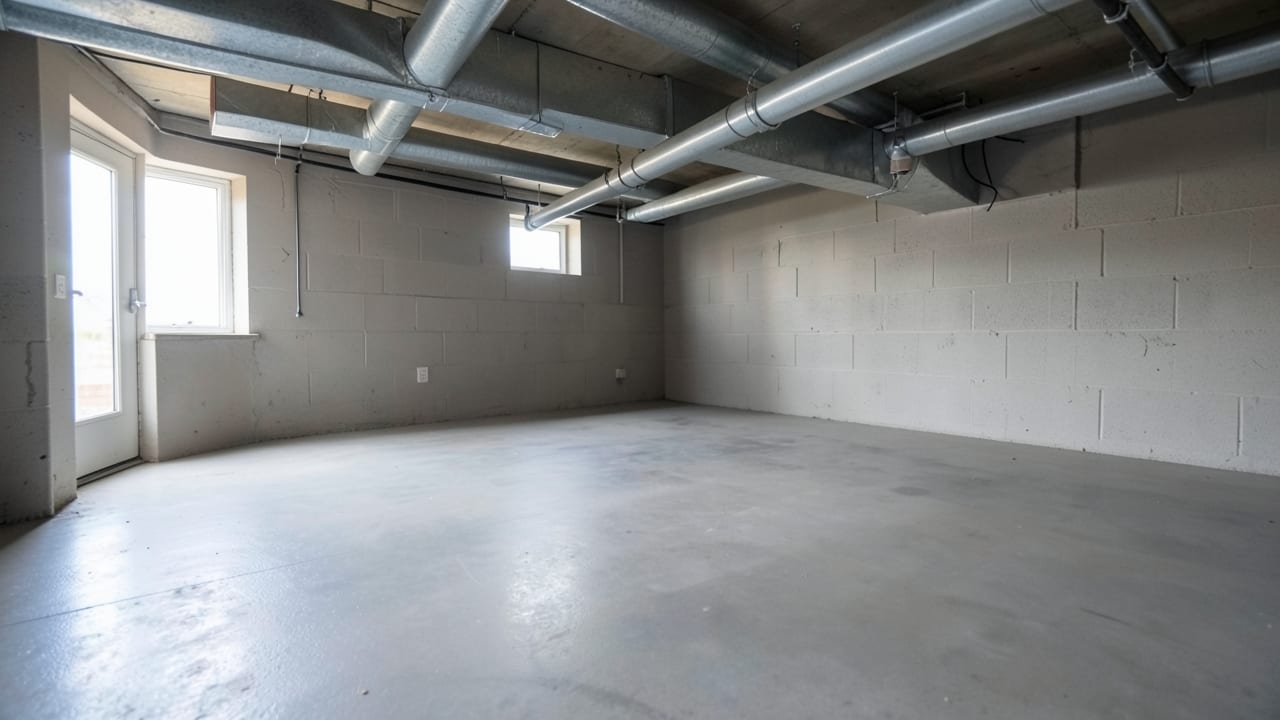
Pet Dander Duct Removal
Professional removal of pet dander and allergens from HVAC ductwork to improve indoor air quality.
Pet dander duct removal in Manhattan targets accumulated fur, skin flakes, and allergens trapped in HVAC systems, which circulate through vents and worsen indoor air quality. This specialized cleaning helps reduce allergy symptoms and improves airflow by removing built-up contaminants from ductwork, registers, and grilles.
Signs your ducts need cleaning
Pet dander and allergens in ductwork often announce themselves through visible or olfactory clues rather than what’s seen inside the ducts. A puff of dust when your HVAC system first turns on, or dust resettling quickly on furniture near supply vents, suggests debris is being actively distributed through the air.
We also handle Blower Motor Cleaning and Evaporator Coil Cleaning for Manhattan properties.
Similarly, a musty or stale smell that fades once the system shuts off points to organic buildup inside the ducts.
Rooms that collect dust noticeably faster than others, or a fine gray film reappearing on register grilles shortly after cleaning, are direct signs of dust being delivered through the vents.
These indicators often mean the ductwork is acting as a reservoir for allergens rather than just settling dust on its own.
Common Signs of Pet Dander Buildup in Ducts
- Dust visibly blowing out of vents when the HVAC system first starts
- Dust resettling on surfaces within days of cleaning, especially near supply vents
- A musty or stale smell that disappears once the system turns off
- A room accumulating dust faster than others in the same household
- A gray film or buildup reappearing on register grilles shortly after cleaning
What affects pricing and timing?
The cost and frequency of pet dander duct cleaning depend on household factors like pet shedding levels, air filter maintenance, and ductwork condition—not just a fixed schedule.
Changing air filters every one to three months helps reduce how quickly dust and allergens recirculate, while sealing gaps in duct connections can slow new buildup between cleanings.
Industry recommendations for how often to clean ducts range widely, from once a year to once every five years, because the real answer depends on your specific household. Heavy-shedding pets, poor filtration, or unsealed ductwork will require more frequent attention than a home with minimal allergens and well-maintained systems.
What to watch for during service
A thorough pet dander duct cleaning involves more than just suction—it requires mechanical agitation to dislodge compacted debris, sealing registers to prevent dust from spreading, and HEPA filtration to capture fine particles on-site.
Skipping steps like sealing unused vents or inspecting duct connections can leave dust circulating or even disconnect flex duct sections, redirecting airflow into walls or attics.
After cleaning, airflow should be verified at multiple registers to confirm improvements. If dust reappears quickly or airflow feels weaker, it may indicate incomplete cleaning or underlying issues like loose ductwork or poor filtration.
Aggressive brushing or air whips can disconnect flex duct sections, sending conditioned air into walls instead of living spaces. Skipping register sealing lets dislodged dust blow back into rooms, defeating the purpose of cleaning. Excess moisture or biocide treatments without proper drying can also promote new microbial growth inside ducts.
How pet dander duct removal works
- 1System Inspection
A camera or mirror inspection identifies concentrated dust, debris, or biological growth in supply and return runs before cleaning begins. This step ensures the crew targets areas needing agitation while skipping cleaner sections.
- 2Register and Vent Sealing
Non-working registers are sealed, and a negative-pressure collection unit is connected to pull dislodged dust into a HEPA-filtered system instead of blowing it back into the home through open vents.
- 3Mechanical Agitation
Rotary brushes or compressed-air whips loosen compacted dust from duct walls, as suction alone often fails to remove deeply settled particles.
- 4HEPA Vacuum Extraction
Dislodged material is pulled into a HEPA-filtered collection system, capturing fine particulate on-site rather than releasing it into the living space.
- 5Airflow Verification
After reassembly, airflow is checked at several registers to confirm improvements and ensure the system isn’t just redistributing dust.
Frequently asked questions
How do I know if my ducts need cleaning for pet dander?
Look for dust puffing from vents when the system turns on, musty smells that fade when the HVAC is off, or rooms collecting dust faster than others. A gray film on register grilles that reappears quickly is another direct sign of ductwork buildup.
Will cleaning my ducts help with pet allergies?
Removing pet dander and allergens from ductwork can reduce airborne irritants, but results depend on factors like grooming habits, filtration, and how quickly new dust enters the system. Regular vacuuming and filter changes also play a key role.
How often should I have my ducts cleaned for pet dander?
There’s no one-size-fits-all answer—it depends on shedding levels, filter maintenance, and ductwork condition. Some homes need annual cleanings, while others may go longer if allergens are well-controlled between sessions.
What’s the difference between a whole-system clean and just cleaning the vents?
A whole-system clean includes agitating duct walls, sealing registers, and HEPA extraction to remove deep-seated debris, while vent-only cleaning with a shop-vac misses compacted dust and doesn’t improve airflow as effectively.
See Washingtonville, NY for more, or check out the rest of our Manhattan lineup from start to finish for our complete lineup.
Ready to get started?
Talk to a local air duct cleaning pro in Manhattan — get a written quote.
Other Air Duct Cleaning Services in Manhattan
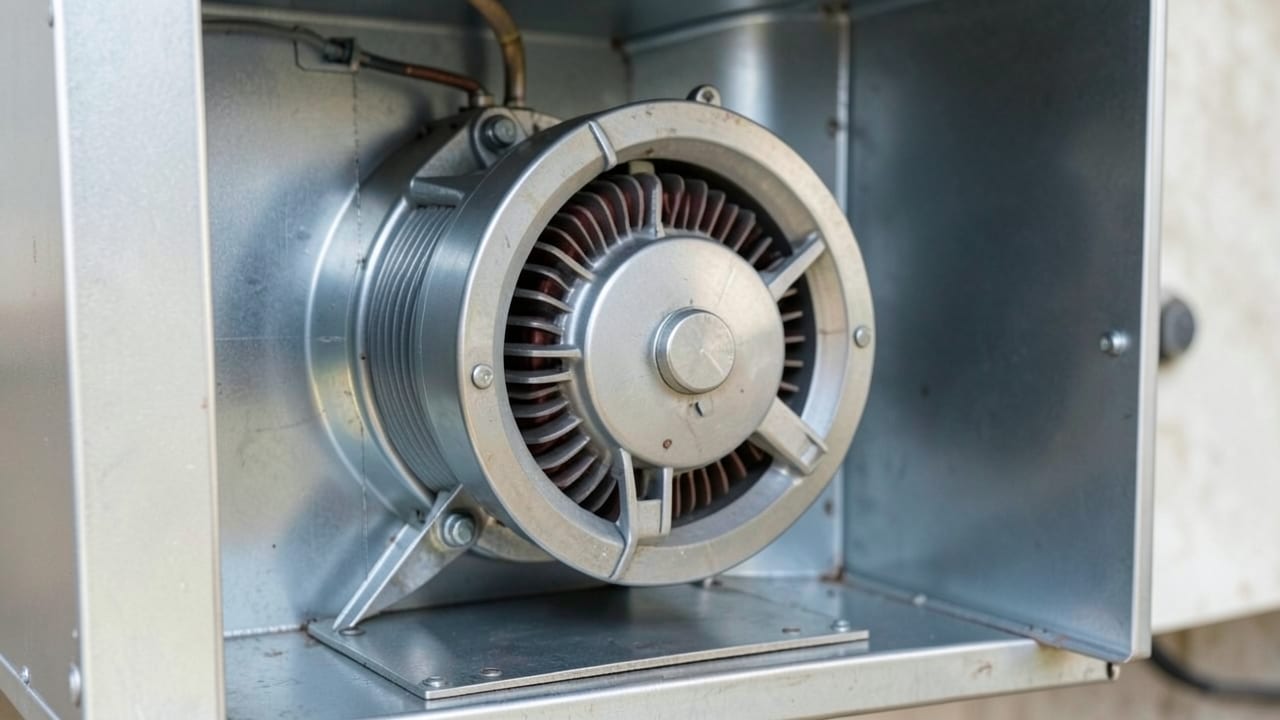
Blower Motor Cleaning in Manhattan, NY
Professional cleaning of the blower motor in HVAC systems to improve airflow and efficiency.
Learn More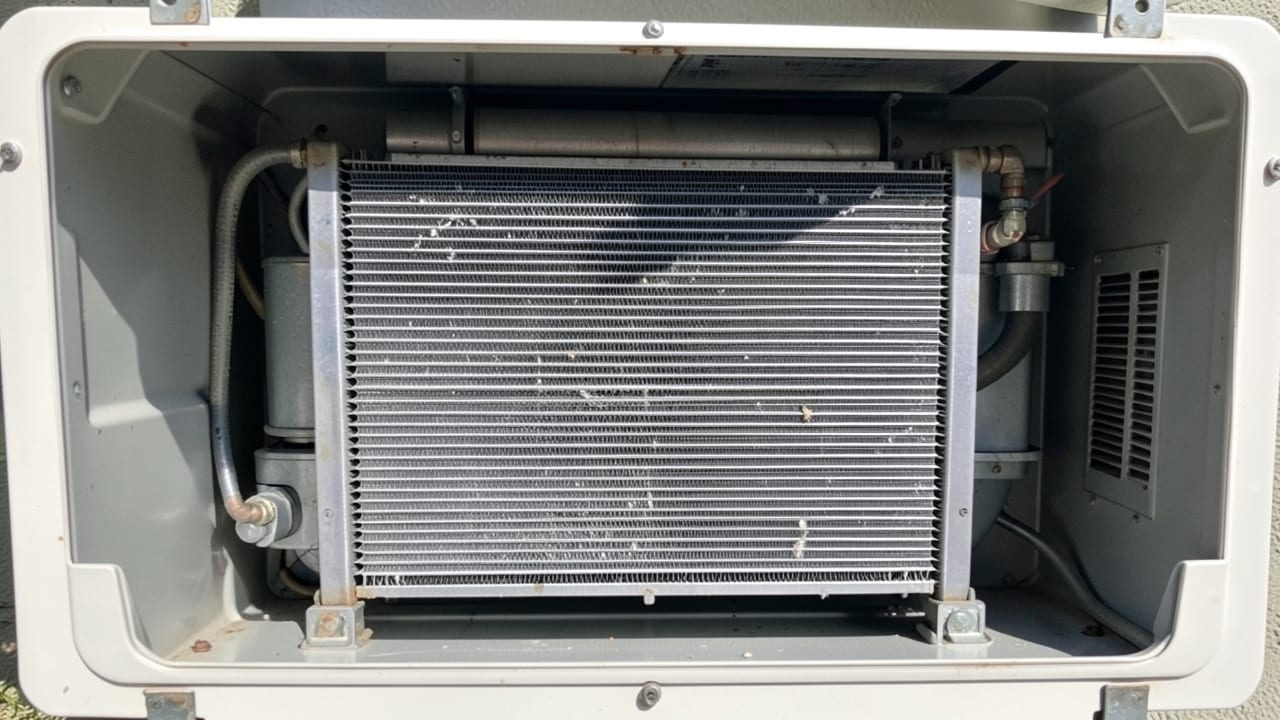
Evaporator Coil Cleaning in Manhattan, NY
Professional cleaning of HVAC evaporator coils to remove dirt, dust, and debris for improved airflow and efficiency.
Learn More
Vent Cover Cleaning in Manhattan, NY
Professional cleaning of vent covers to improve airflow and indoor air quality.
Learn More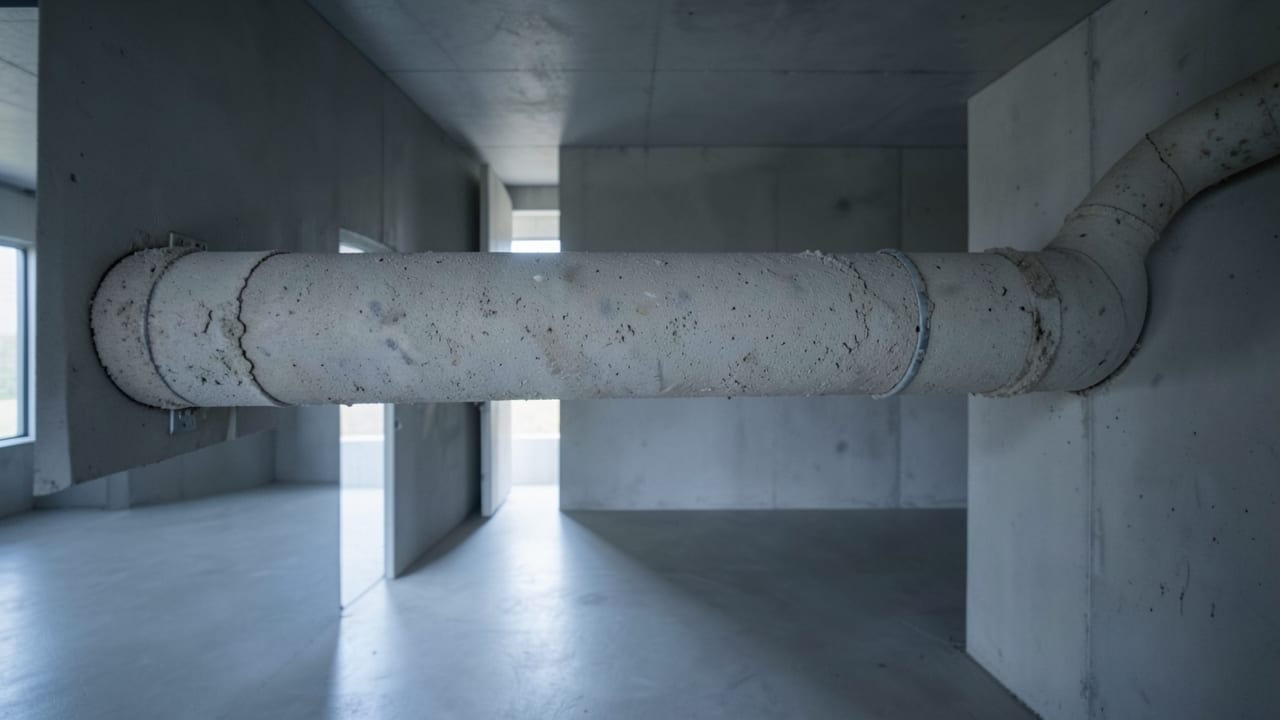
Concrete Duct Cleaning in Manhattan, NY
Professional cleaning of concrete ductwork to remove dust, debris, and contaminants from HVAC systems.
Learn More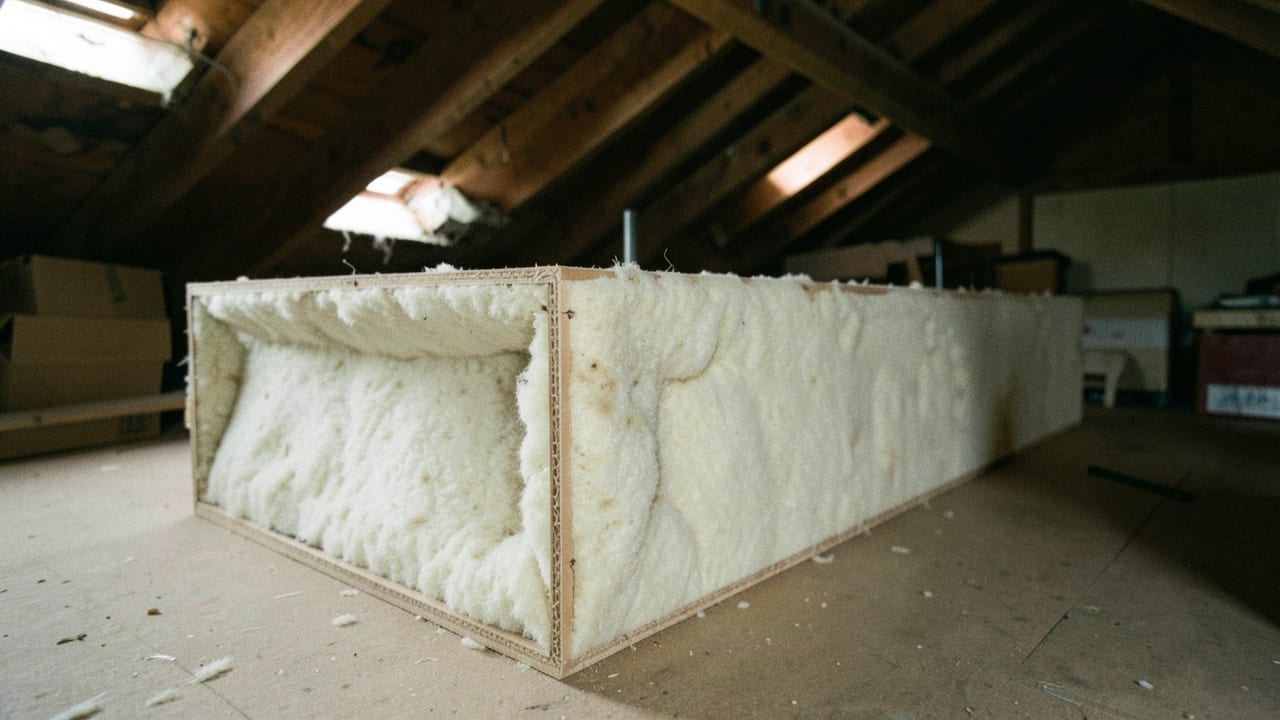
Fiberboard Duct Cleaning in Manhattan, NY
Professional cleaning of fiberboard HVAC ducts to remove dust, debris, and contaminants.
Learn More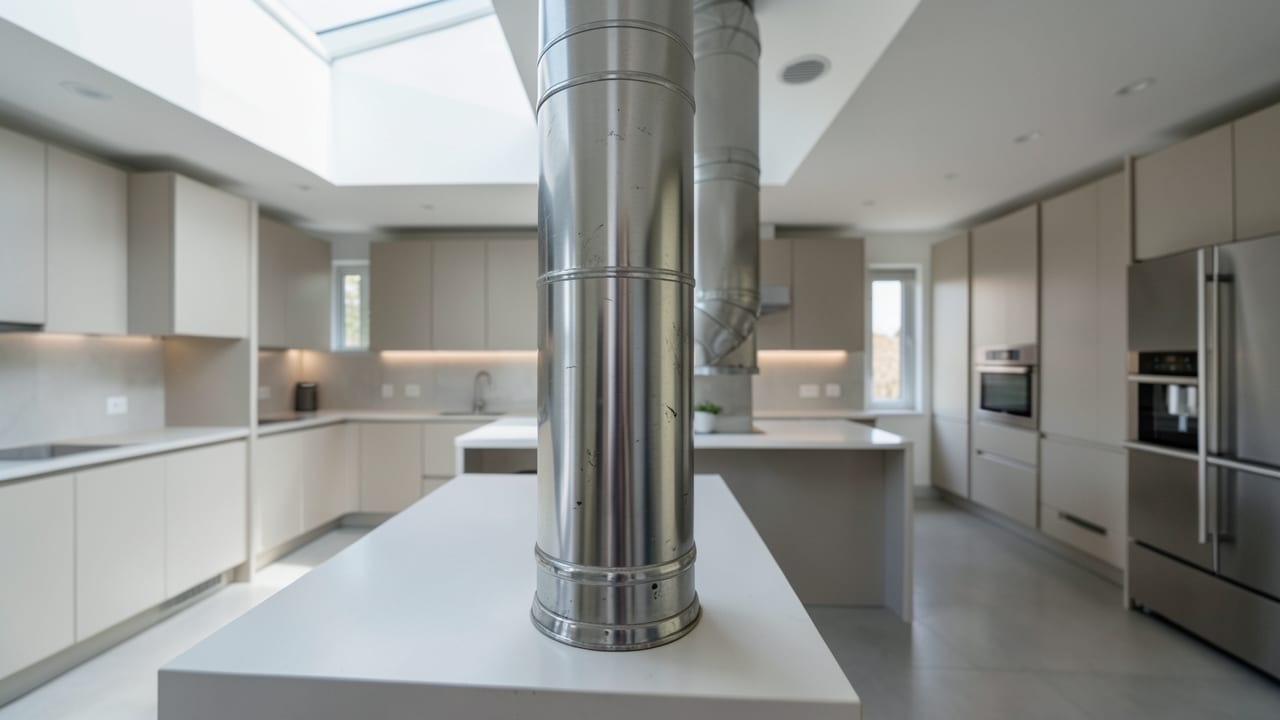
Stainless Steel Duct Cleaning in Manhattan, NY
Professional cleaning of stainless steel ductwork to remove dust, debris, and contaminants from HVAC systems.
Learn MoreCommon Questions About Air Duct Cleaning in Manhattan
Everything you need to know about air duct cleaning services in Manhattan
How much does Pet Dander Duct Removal typically cost in Manhattan, NY?
What local factors get checked before recommending duct cleaning in Manhattan, NY?
Can duct cleaning damage older or fragile ductwork?
Does duct cleaning include the coils and blower compartment, or only the ducts themselves?
What's the real difference between flat-rate and per-vent air duct pricing?
How often should air ducts actually be cleaned?
Need Air Duct Cleaning in Manhattan?
Get a written quote from our Manhattan crew.
⏰ We answer your call • Serving all of Manhattan and surrounding areas